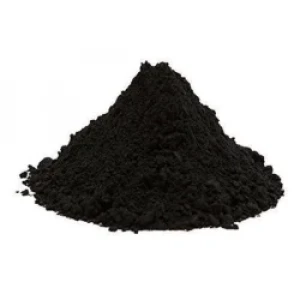
Activated Carbon is a highly porous form of carbon derived from carbon-rich precursor materials such as coconut shells, wood, lignite, coal, and agricultural waste. Through processes like physical activation (using hot gases) or chemical activation, it develops a large internal surface area and a network of micropores, giving it exceptional adsorption capacity for a wide range of chemicals.
Because of its high porosity and surface area, activated carbon is widely used for adsorption of organic compounds, pollutants, and toxins. It captures contaminants through physical and chemical adsorption, making it indispensable in water purification, air filtration, and detoxification processes. Its versatility comes from the ability to tailor its pore structure during activation to suit specific applications.
Orange Chemicals is a sister concern of Chem Fert Chemicals, Which is a leading manufacturer, importer, stockist, reseller and Exporter of all Drilling Chemicals in UAE.



Copyright © 2022 | Orange Chemicals FZ LLC | All Rights Reserved